




Models
>
9114282590
9114282590 Kenmore Cooktop
Jump to:
Find Part by Name
Keep searches simple, eg. "belt" or "pump".
Keep searches simple, eg. "belt" or "pump".
In Stock
Order now and your part arrives by Apr 26
$16.35
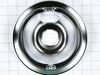
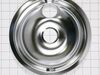
Keep your range clean and protected with this 8-inch burner drip bowl, which fits beneath the burner to catch spills and debris. Its chrome finish adds a polished appearance and helps guard against ru...
In Stock
Order now and your part arrives by Apr 26
$38.56
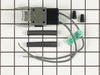
This kit includes one ceramic block with 6" wire leads, 2 wire nuts and 2 heat shrink with mounting bracket.
In Stock
Order now and your part arrives by Apr 26
$11.98
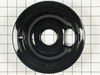
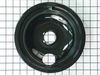
This is a replacement drip bowl for your range. It is black in color and is approximately 6 inches in diameter. The bowl is made of porcelain and is sold individually. The drip bowl rests under the bu...
In Stock
Order now and your part arrives by Apr 26
$13.07
This 8" drip bowl is intended for use with loop style surface mount burner element units.
In Stock
Order now and your part arrives by Apr 26
This part goes between the infinite switch (under the cooktop) and the knob.
No Longer Available

Questions and Answers
We're sorry, but our Q&A experts are temporarily unavailable.
Please check back later if you still haven't found the answer you need.
Common Problems and Symptoms for 9114282590
Viewing 1 of 1
Keep searches simple. Use keywords, e.g. "leaking", "pump", "broken" or "fit".
- Customer:
- PATRICK from WASHINGTON, DC
- Parts Used:
- WB17X5113
- Difficulty Level:
- Easy
- Total Repair Time:
- 15 - 30 mins
- Tools:
- Screw drivers
I had 2 of the terminals where the burner coil plugs into completely fry
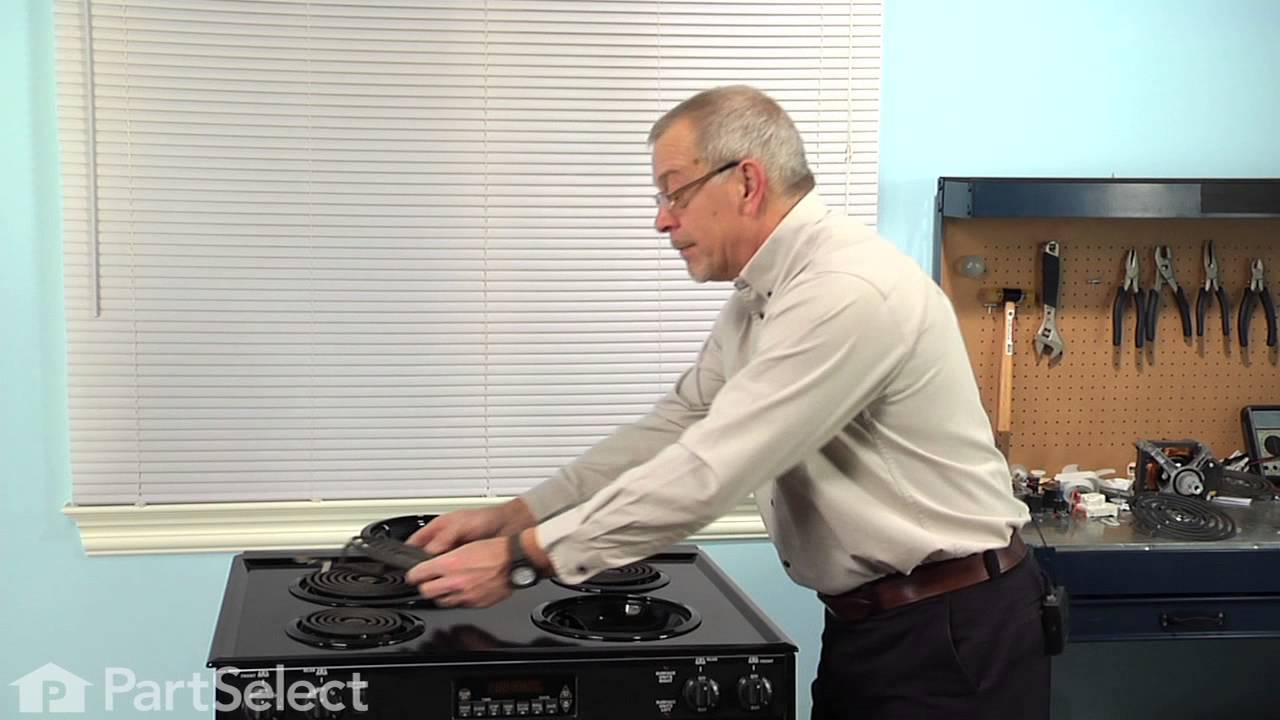
First thing to do is to KILL THE POWER. The last thing you want is for two leads feeding power to a range coil burner "hot" when you are working on them. After power is off, I removed the coils and set them aside. The terminals had "fried" apparently from to much cooking with hot oils and having the "over splash" working its way down t
... Read more
o where the coils plug into the terminals and over time the oil getting in the terminals causes shorting / frying of the leads / contacts.
Anyway, after removing the heat coils I removed the drip pans and cleaned up the area underneath before working on terminals. I like a clean area when I work. I then unscrewed the "brackets" that house the terminals with a Phillips screwdriver and pulled out the assembly.
To completely remove the assembly I cut with a straight razor the existing heat shrink around the wire nuts (These two had been replaced once before. On first go around, I just cut the terminal assembly off and stripped the wire to attach the new terminals). Then I removed the wire nuts and the old assembly. After that I trimmed the wire to the correct length on the new terminal assembly and checked that the wire from the stove was in good shape. Upon confirming I had a good lead, I connected the new terminal leads to the stove leads and put the heat shrink over the connections. I used a lighter to "shrink" the heat shrink to the new connection (not having a proper heat shrink gun, which most of us don't have, the lighter works well as long as you are careful and do not let the lighter heat up to much. Let the lighter cool (esp. if a plastic disposable type or it will melt and ruin the lighter or burn your fingers).
After that I cleaned the area where the terminal block bracket connects to the stove (it gets a bit gunked up over time) before screwing in the new bracket / assembly in place with my screwdriver.
I gave the drip pans a good cleaning, adjusted the new terminal brackets so they were even / centered, cleaned once more the area under the drip pan and replaced the drip pans. The types of pans I have are one piece with a hole for the heat coil leads to go through.
Before placing the coils back in the terminals I took a strip of medium grade, 220 grit, sand paper (you could use steal wool or small wire brush) and cleaned the terminal leads (the steal end that plugs into the terminal only, careful not to damage the burner). This was needed as the leads had accumulated some residue from the same dynamics that caused the burning / melting of the terminal leads and terminal block. Once the leads were clean I fitted them into the place in the new terminal blocks and drip pan grooves.
Finally I turned back on the breaker to the stove and cranked on the burners to test out the connection and that everything was working A-OK.
Job done:-)
Anyway, after removing the heat coils I removed the drip pans and cleaned up the area underneath before working on terminals. I like a clean area when I work. I then unscrewed the "brackets" that house the terminals with a Phillips screwdriver and pulled out the assembly.
To completely remove the assembly I cut with a straight razor the existing heat shrink around the wire nuts (These two had been replaced once before. On first go around, I just cut the terminal assembly off and stripped the wire to attach the new terminals). Then I removed the wire nuts and the old assembly. After that I trimmed the wire to the correct length on the new terminal assembly and checked that the wire from the stove was in good shape. Upon confirming I had a good lead, I connected the new terminal leads to the stove leads and put the heat shrink over the connections. I used a lighter to "shrink" the heat shrink to the new connection (not having a proper heat shrink gun, which most of us don't have, the lighter works well as long as you are careful and do not let the lighter heat up to much. Let the lighter cool (esp. if a plastic disposable type or it will melt and ruin the lighter or burn your fingers).
After that I cleaned the area where the terminal block bracket connects to the stove (it gets a bit gunked up over time) before screwing in the new bracket / assembly in place with my screwdriver.
I gave the drip pans a good cleaning, adjusted the new terminal brackets so they were even / centered, cleaned once more the area under the drip pan and replaced the drip pans. The types of pans I have are one piece with a hole for the heat coil leads to go through.
Before placing the coils back in the terminals I took a strip of medium grade, 220 grit, sand paper (you could use steal wool or small wire brush) and cleaned the terminal leads (the steal end that plugs into the terminal only, careful not to damage the burner). This was needed as the leads had accumulated some residue from the same dynamics that caused the burning / melting of the terminal leads and terminal block. Once the leads were clean I fitted them into the place in the new terminal blocks and drip pan grooves.
Finally I turned back on the breaker to the stove and cranked on the burners to test out the connection and that everything was working A-OK.
Job done:-)
Read less
Was this instruction helpful to you?
Thank you for voting!
- Customer:
- Marlene from Rancho Murieta, CA
- Parts Used:
- WB31K10265, WB31K10266
- Difficulty Level:
- Really Easy
- Total Repair Time:
- Less than 15 mins
We had been searching for burner bowls for our GE range (10+ years old) and could not find replacements for them. I found the burner bowls we needed on partselect.com . I was able to easily place the order and the burner bowls were delivered to me the next day.
No repair necessary, but the service was excellent!
Was this instruction helpful to you?
Thank you for voting!
- Customer:
- Carol from Brookfield, WI
- Parts Used:
- WB31K10266, WB31K10265
- Difficulty Level:
- Really Easy
- Total Repair Time:
- Less than 15 mins
I needed new drip pans
I lifted out the burners and took out the old drip pans ans then replaced the burners. However the 8 inch pans were bigger than the old ones and they do not fit properly. They are sitting on top of the stove and not inserted like they should be. I will have to look elsewhere to find ones that fit.
Was this instruction helpful to you?
Thank you for voting!