
Models > WF210ANW/XAA

WF210ANW/XAA Samsung Washer

Jump to:

Find Part by Name

Keep searches simple, eg. "belt" or "pump".
This part is used for the shaft on rear of the tub. Sold individually.
On Order
This drain pump is designed to remove water from the washer during the drain portion of the cycle. It is recommended to unplug the washer before installation to ensure safety. The Samsung Washer Drain...
No Longer Available
In Stock
Order now and your part arrives by Mar 19
Shipping bolts are installed through the back of the washing machine, and hold the wash tub and basket in place while your washer is being transported. The tub suspension holds the tub correctly in pl...
In Stock
Order now and your part arrives by Mar 19
$93.95
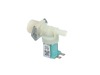
One solenoid valve for hot water
In Stock
Order now and your part arrives by Mar 19
In Stock
Order now and your part arrives by Mar 19
In Stock
Order now and your part arrives by Mar 19
$50.42
This oil seal (part number DC62-00223A) is for washers. Oil seal DC62-00223A presses into the rear drum to prevent oil from leaking past the basket spin shaft. Unplug the appliance before installing t...
In Stock
Order now and your part arrives by Mar 19
In Stock
Order now and your part arrives by Mar 19
Assembly BOLT;SWF-P12,MOTOR/
In Stock
Order now and your part arrives by Mar 19
$176.95
In Stock
Order now and your part arrives by Mar 19
In Stock
Order now and your part arrives by Mar 19

Questions and Answers

Be the first to ask our experts a question about this part!

Common Problems and Symptoms for WF210ANW/XAA

Viewing 3 of 3
Will not drain
Fixed by these parts
Fixing Fixing
How to fix it
Leaking
Fixed by these parts
Fixing
How to fix it
Water Filling Issues
Fixed by these parts
Fixing
How to fix it
Keep searches simple. Use keywords, e.g. "leaking", "pump", "broken" or "fit".
Customer:
SCOTT from VERNAL, UT
Parts Used:
DC31-00054A
Difficulty Level:
Easy
Total Repair Time:
30 - 60 mins
Tools:
Pliers, Screw drivers
Code indicating washer was NOT discharging water
Watched the video, procedure was simple and as depicted on the video. Started by using a wet shop Vac to the discharge hose and sucked as much dirty wash water out as possible. Removed the pump,and found the motor did not turn freely. Removed the motor (3 screws) and replaced the motor with new part. Reassembled the washer, everything wor ked as it should. After about 3-4 loads of laundry, the "Not Draining" code / problem returned. Again, sucked out the water with the Shop Vac. Checked the Filter /Cleanout and found it completely packed with MUD. Cleaned that out, and again disassembled the washer. The pump was removed and the remaining muddy gunk was cleaned from the impeller. The 3 drain lines that attached to the pump were inspected for blockage/obstruction and flushed of any muddy residue. Reassembly was quick and easy, and the washer has worked well since. I have no idea how the dirt got into the system with enough dirt to gunk up the system. Recommend keeping more frequent inspections of the cleanout trap.
11 of 17 people found this instruction helpful.
Was this instruction helpful to you?
Thank you for voting!
Customer:
scott from DEERFIELD, OH
Parts Used:
DC62-00202A
Difficulty Level:
A Bit Difficult
Total Repair Time:
30 - 60 mins
Tools:
Pliers, Screw drivers, Socket set
The drain check valve leaked
The part did not fit this model. The flap part fit the hole but the seal ring is too big. I cut 1\4inch out and used super glue the make it small enough to fit and seal the hose. Make sure you only use a drop of glue and keep the seal even and flat so it will seal
1 person found this instruction helpful.
Was this instruction helpful to you?
Thank you for voting!
Customer:
Fredric from ROCKMART, GA
Parts Used:
DC96-01703B
Difficulty Level:
Really Easy
Total Repair Time:
15 - 30 mins
Tools:
Pliers, Screw drivers
The water level was lower than normal.
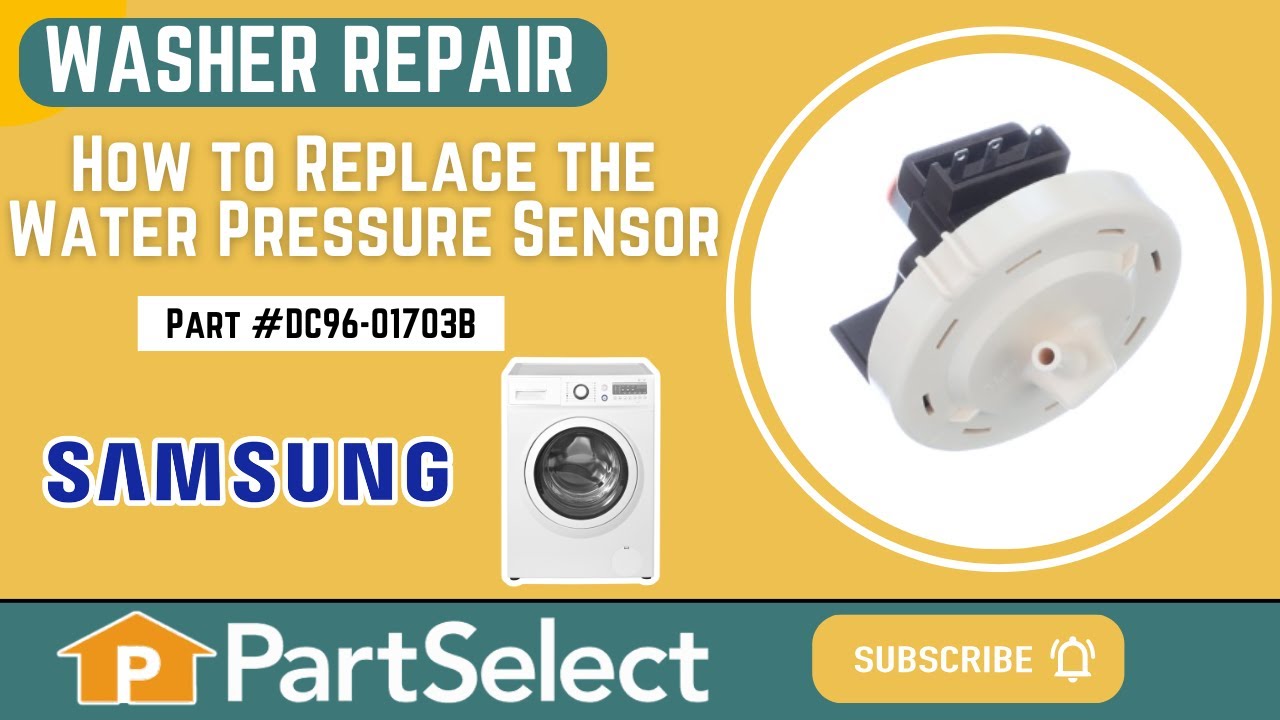
First unplug or turn off thee circuit breaker. Then remove the two screws to the top cover. Slide the cover back about three inches then remove the cover. Next take out the screw to the old sensor. Then unplug the electrical connection by squeezing and the pulling to disengage. Now set the old unit aside. You then grad your eight inch wi re tie and hold the with flat side to the right and just to the right of the screw hole for the bracket is a square hole. Feed to wire tie into the square hole with your left hand then loop down left side of the end of new sensor and back up threw the square hole and tighten with the pliers. Your new sensor will be positioned just like it was mounted to the metal bracket. And pretty ridged. Now connect the vacuum hose and electrical connector.
3 of 10 people found this instruction helpful.
Was this instruction helpful to you?
Thank you for voting!