


Models > CTS92DM2N1S5

CTS92DM2N1S5 General Electric Wall Oven

Jump to:

Find Part by Name

Keep searches simple, eg. "belt" or "pump".

Diagrams for CTS92DM2N1S5

Viewing 4 of 4
Keep searches simple, eg. "belt" or "pump".
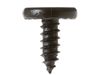
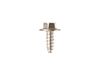
This door mounting screw is a genuine OEM part for your appliances. This screw is used to attach the door handles to their studs. If the door handle is loose or falling off, you may need to replace the mounting screw.
In Stock
Order now and your part arrives by Mar 19
$14.65
This part is a replacement screw for your oven. It is made of black metal and is sold individually. This screw is approximately 1/4 inch in diameter and about 1/2 inch in length. It is designed to con...
In Stock
Order now and your part arrives by Mar 19
In Stock
Order now and your part arrives by Mar 19
NUT
$16.75
Special Order
Special Order
In Stock
Order now and your part arrives by Mar 19
$14.65
In Stock
Order now and your part arrives by Mar 19
this is incorrect part for this door. should . Part #WB56X22160 instead of WB56T10244 for lwer door
In Stock
Order now and your part arrives by Mar 19
Special Order
In Stock
Order now and your part arrives by Mar 19
Special Order
Special Order

Questions and Answers

Be the first to ask our experts a question about this part!

Keep searches simple. Use keywords, e.g. "leaking", "pump", "broken" or "fit".
Customer:
Thomas from Albuquerque, NM
Parts Used:
WB02T10017
Difficulty Level:
Easy
Total Repair Time:
15 - 30 mins
Tools:
Socket set
Convection fan came loose from shaft
Convection fan came loose from the shaft with a lout rattle and grinding as the fan spun down. Had to remove four metal screws to remove the fan cover. Initially tried to just put the nut back on to hold the fan. However, I could not get the nut to start, so I assumed that threads were stripped on the nut or the shaft. Ordered the rep lacement nut, hoping that it was the nut that was the problem. However, I had the same problem with the new nut. I could see no damage on the shaft. It finally occurred to me that the nut and shaft had left-hand threads (counter-clockwise to tighten). At that point, it was extremely easy to put the nut back on and tighten it. I did not try using the old nut, since I had already received the new one, but I'm certain that if I had come to that realization earlier, I could have saved time and money. So, if you have the same problem, try putting the nut on "backwards."
Was this instruction helpful to you?
Thank you for voting!