



Models
>
JP370B9K1
JP370B9K1 General Electric Cooktop
Jump to:
Find Part by Name
Keep searches simple, eg. "belt" or "pump".
Diagrams for JP370B9K1
Viewing 3 of 3


Keep searches simple, eg. "belt" or "pump".
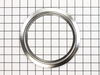
$13.95
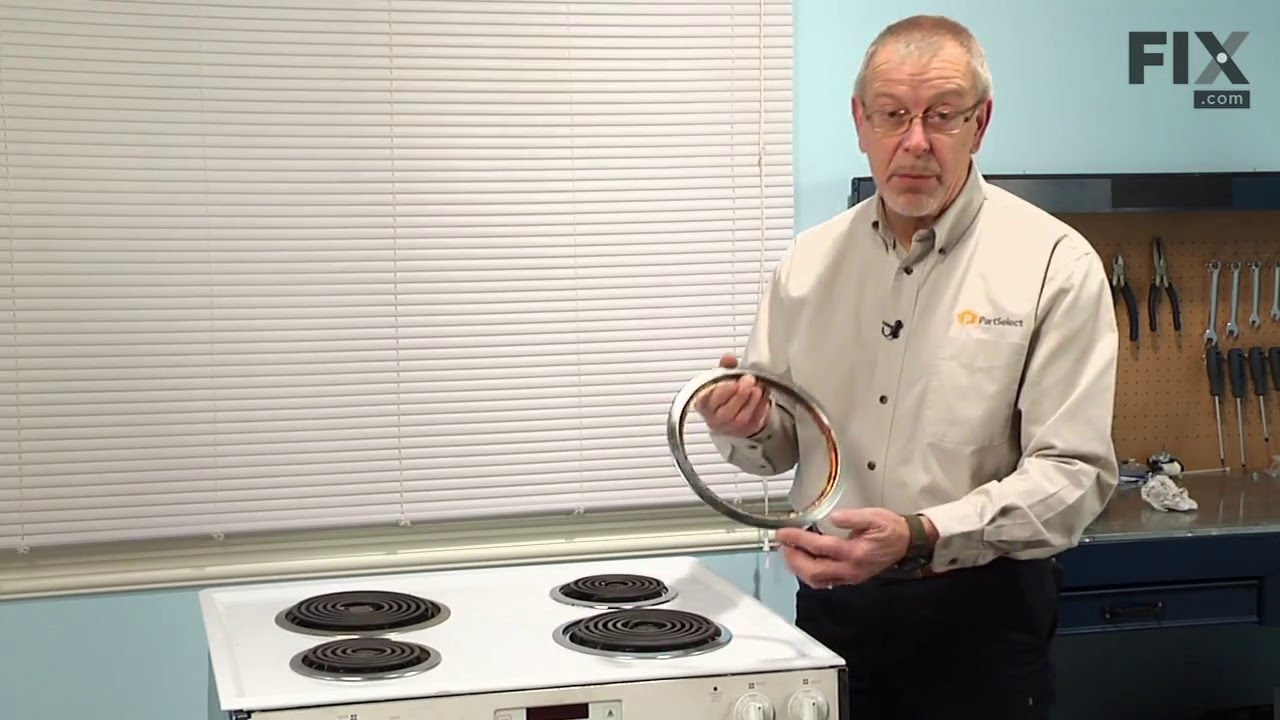
This trim ring is an authentic OEM replacement part for your range. It serves as a decorative trim to the drip bowls found under the burner elements. The part will need to be replaced if it has become...
In Stock
Order now and your part arrives by Oct 5
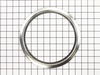
$17.44
This 8-inch trim ring is a genuine OEM replacement part for your range. It sits around the surface burner elements for the style of ranges with low rise tilt lock burners. You may need to replace the ...
In Stock
Order now and your part arrives by Oct 5
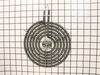
In Stock
Order now and your part arrives by Oct 5
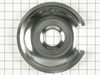
$28.91
This 8-inch chrome drip bowl is a genuine OEM replacement part for your electric range. The drip bowl is designed to fit underneath the coiled burner elements, and is used to catch spills that result ...
In Stock
Order now and your part arrives by Oct 5
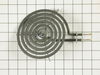
This Y-frame six inch surface burner element has five turns and a metallic center medallion.
In Stock
Order now and your part arrives by Oct 5
$45.95
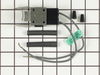
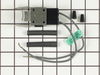
This kit includes one ceramic block with 6" wire leads, 2 wire nuts and 2 heat shrink with mounting bracket.
In Stock
Order now and your part arrives by Oct 5

Special Order
Special Order
Common Problems and Symptoms for JP370B9K1
Viewing 2 of 2Element will not heat
Fixed by these parts
How to fix it
Little to no heat when broiling
Fixed by these parts
How to fix it
Keep searches simple. Use keywords, e.g. "leaking", "pump", "broken" or "fit".
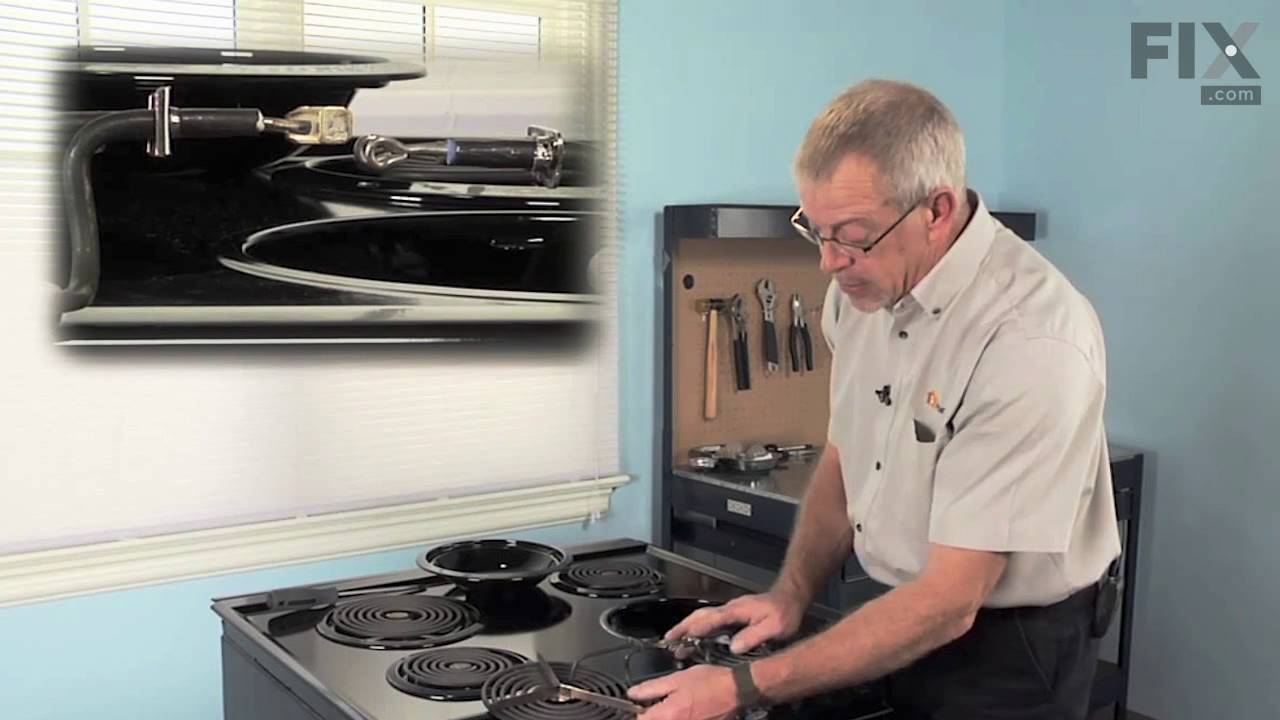
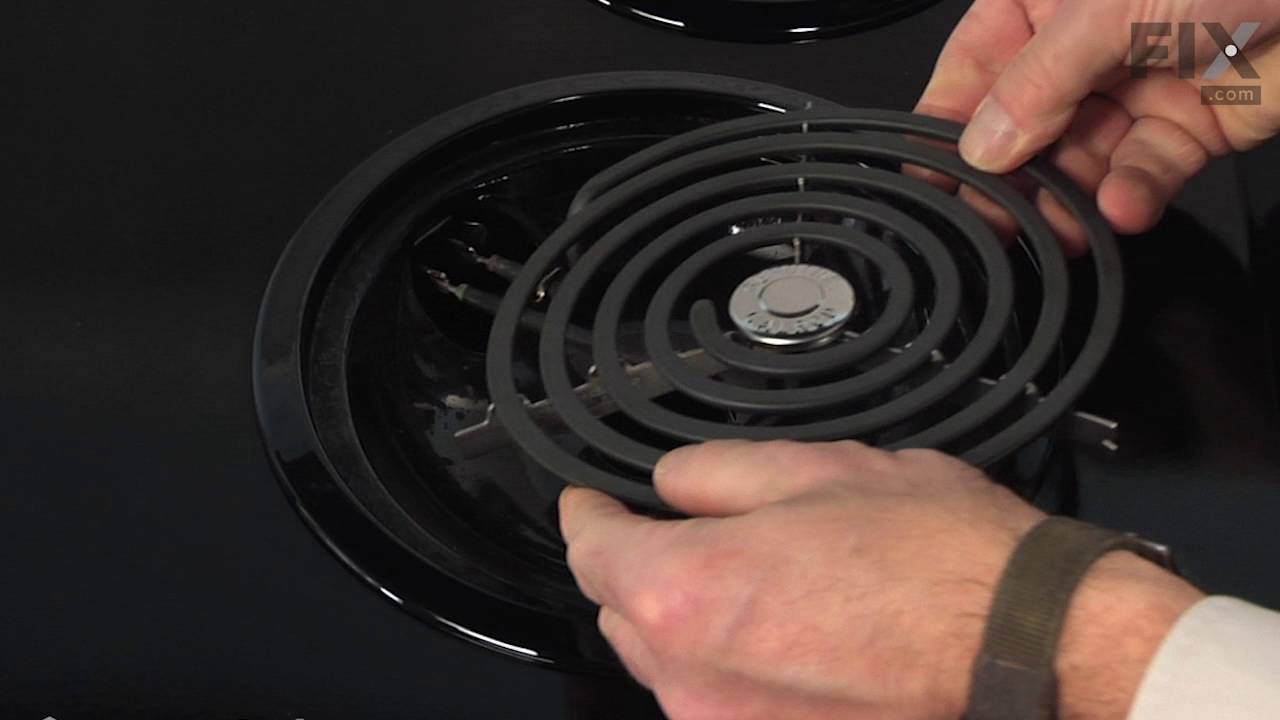
Replacement of Coils
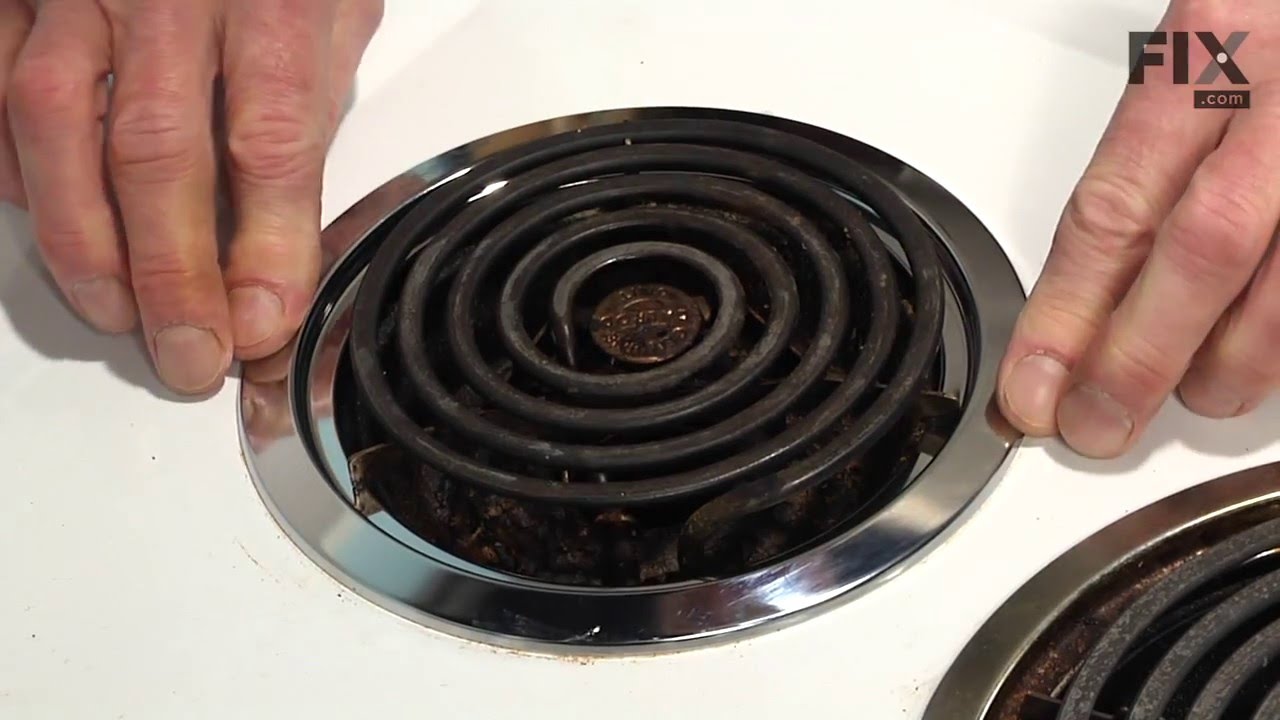
Removed by slightly wiggling out of the coupling. No tools needed, seriously, (and I'm a contractor). Basically, pull out and snap back in.
Was this instruction helpful to you?
Thank you for voting!
Heating element required continuous adjustments to work.
I removed old 8" surface element and terminal block. Some of old wiring had to be cut off because of harding/cracking of old wiring. Stove was 23 years old and this burner was the most frequently used one. I soldered the new and remaining old wires together. I used the shirnk wrap that came with the terminal block to cover the solder join
... Read more
t. I screwed the new terminal block (one screw holds it in place - used same screw from old terminal block that was removed). I finished by inserting the new surface element. Everything works fine. In the next week or two after we use it a while, I will check wiring again to make sure there are no changes. You need to be very careful as it gets very hot under the burner.
Read less
Was this instruction helpful to you?
Thank you for voting!
- Customer:
- PATRICK from WASHINGTON, DC
- Parts Used:
- WB17X5113
- Difficulty Level:
- Easy
- Total Repair Time:
- 15 - 30 mins
- Tools:
- Screw drivers
I had 2 of the terminals where the burner coil plugs into completely fry
First thing to do is to KILL THE POWER. The last thing you want is for two leads feeding power to a range coil burner "hot" when you are working on them. After power is off, I removed the coils and set them aside. The terminals had "fried" apparently from to much cooking with hot oils and having the "over splash" working its way down t
... Read more
o where the coils plug into the terminals and over time the oil getting in the terminals causes shorting / frying of the leads / contacts.
Anyway, after removing the heat coils I removed the drip pans and cleaned up the area underneath before working on terminals. I like a clean area when I work. I then unscrewed the "brackets" that house the terminals with a Phillips screwdriver and pulled out the assembly.
To completely remove the assembly I cut with a straight razor the existing heat shrink around the wire nuts (These two had been replaced once before. On first go around, I just cut the terminal assembly off and stripped the wire to attach the new terminals). Then I removed the wire nuts and the old assembly. After that I trimmed the wire to the correct length on the new terminal assembly and checked that the wire from the stove was in good shape. Upon confirming I had a good lead, I connected the new terminal leads to the stove leads and put the heat shrink over the connections. I used a lighter to "shrink" the heat shrink to the new connection (not having a proper heat shrink gun, which most of us don't have, the lighter works well as long as you are careful and do not let the lighter heat up to much. Let the lighter cool (esp. if a plastic disposable type or it will melt and ruin the lighter or burn your fingers).
After that I cleaned the area where the terminal block bracket connects to the stove (it gets a bit gunked up over time) before screwing in the new bracket / assembly in place with my screwdriver.
I gave the drip pans a good cleaning, adjusted the new terminal brackets so they were even / centered, cleaned once more the area under the drip pan and replaced the drip pans. The types of pans I have are one piece with a hole for the heat coil leads to go through.
Before placing the coils back in the terminals I took a strip of medium grade, 220 grit, sand paper (you could use steal wool or small wire brush) and cleaned the terminal leads (the steal end that plugs into the terminal only, careful not to damage the burner). This was needed as the leads had accumulated some residue from the same dynamics that caused the burning / melting of the terminal leads and terminal block. Once the leads were clean I fitted them into the place in the new terminal blocks and drip pan grooves.
Finally I turned back on the breaker to the stove and cranked on the burners to test out the connection and that everything was working A-OK.
Job done:-)
Anyway, after removing the heat coils I removed the drip pans and cleaned up the area underneath before working on terminals. I like a clean area when I work. I then unscrewed the "brackets" that house the terminals with a Phillips screwdriver and pulled out the assembly.
To completely remove the assembly I cut with a straight razor the existing heat shrink around the wire nuts (These two had been replaced once before. On first go around, I just cut the terminal assembly off and stripped the wire to attach the new terminals). Then I removed the wire nuts and the old assembly. After that I trimmed the wire to the correct length on the new terminal assembly and checked that the wire from the stove was in good shape. Upon confirming I had a good lead, I connected the new terminal leads to the stove leads and put the heat shrink over the connections. I used a lighter to "shrink" the heat shrink to the new connection (not having a proper heat shrink gun, which most of us don't have, the lighter works well as long as you are careful and do not let the lighter heat up to much. Let the lighter cool (esp. if a plastic disposable type or it will melt and ruin the lighter or burn your fingers).
After that I cleaned the area where the terminal block bracket connects to the stove (it gets a bit gunked up over time) before screwing in the new bracket / assembly in place with my screwdriver.
I gave the drip pans a good cleaning, adjusted the new terminal brackets so they were even / centered, cleaned once more the area under the drip pan and replaced the drip pans. The types of pans I have are one piece with a hole for the heat coil leads to go through.
Before placing the coils back in the terminals I took a strip of medium grade, 220 grit, sand paper (you could use steal wool or small wire brush) and cleaned the terminal leads (the steal end that plugs into the terminal only, careful not to damage the burner). This was needed as the leads had accumulated some residue from the same dynamics that caused the burning / melting of the terminal leads and terminal block. Once the leads were clean I fitted them into the place in the new terminal blocks and drip pan grooves.
Finally I turned back on the breaker to the stove and cranked on the burners to test out the connection and that everything was working A-OK.
Job done:-)
Read less
Was this instruction helpful to you?
Thank you for voting!